 It may be surprising to learn that renewable energy technologies, such as solar, wind and electric vehicle batteries, generally require more minerals than their fossil fuel-based counterparts. The IEA’s Net Zero by 2050 emissions scenario forecasts that by 2030 the consumption of lithium and cobalt will rise by sixfold, nickel will increase fourfold and copper twofold.
As demand increases for the critical minerals and base metals essential to the development of low-carbon energy solutions, so too will mining. Without sustainable solutions to manage the waste from processing these metals – known as tailings – Australia is likely to face an environmental crisis.
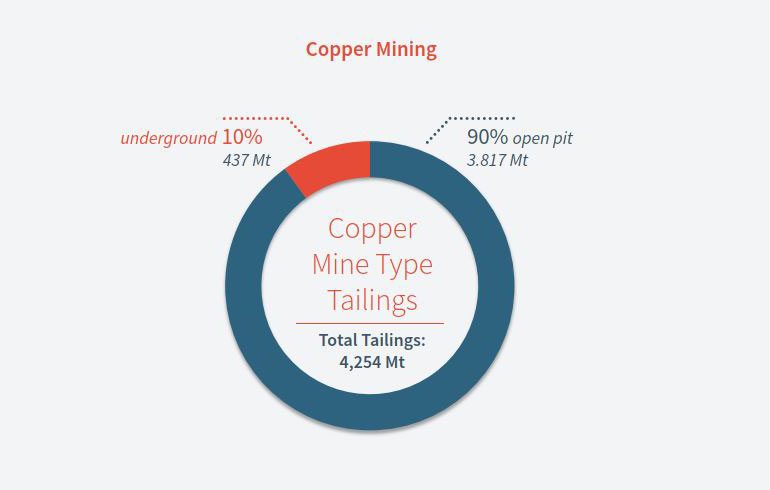
Australia is among the world’s largest producers of six common commodities: copper, gold, nickel, iron ore, coal and bauxite. Copper, nickel and gold are critical for developing solar panels, wind turbines and battery storage, while iron ore, coal and bauxite are critical to develop the steel and aluminium needed to build these. When mining for these minerals, they must be separated from the waste rock – or ore –leaving crushed rock and fine particles in water, which have the potential to damage the environment by releasing toxic metals, causing erosion or sinkholes, and contaminating soil or water supplies. On top of this, there is the energy, carbon footprint, chemicals and labour used to process material that will eventually become a liability that needs to be stored safely for decades to come.
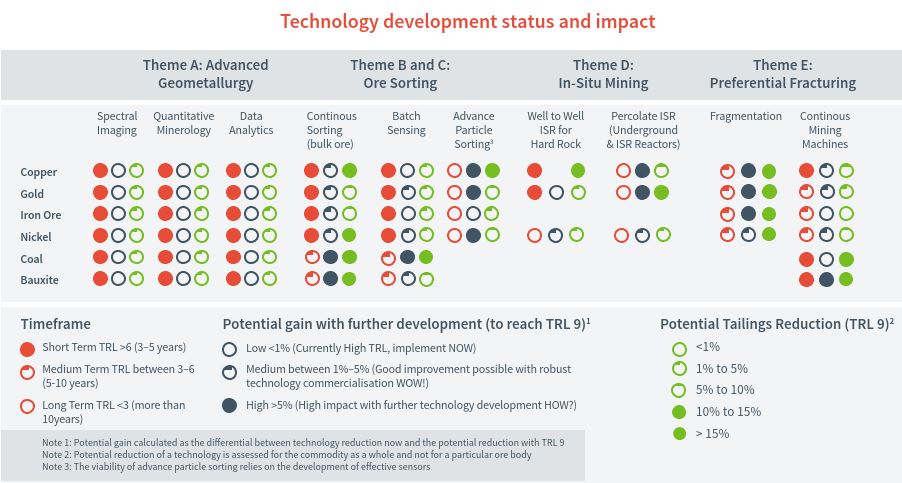
At Hatch, we have undertaken an in-depth analysis to identify the technologies required to reduce or eliminate tailings of these six key commodities. Analysing the different commodities, we investigated how tailings production would be impacted by applying the key technologies ‘themes’: advanced geometallurgy, ore sorting, advanced sensing and particle sorting, in-situ extraction, and preferential fracturing.
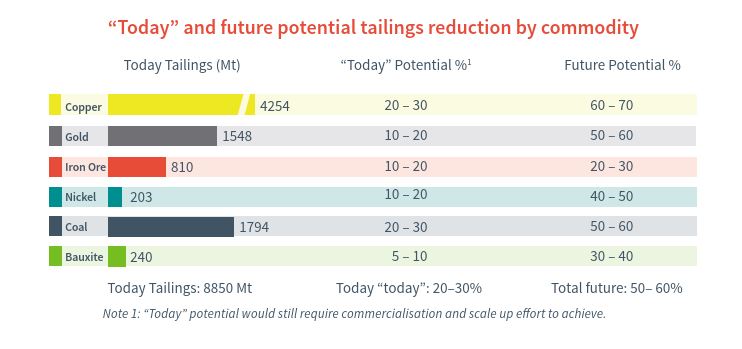
Our analysis revealed that technologies available today could reduce tailings by 20% to 30%. Hatch also identified that in the next 10 to 20 years, by integrating these technologies in future projects or expansions, the opportunity exists to reduce tailings by more than 50%.
Jan Kwak
Managing Director, Hatch Australia-Asia
1International Energy Agency (IEA); Schwerhoff and Stuemer (2020); and IMF estimates in IMF, World Economic Outlook, October 2021
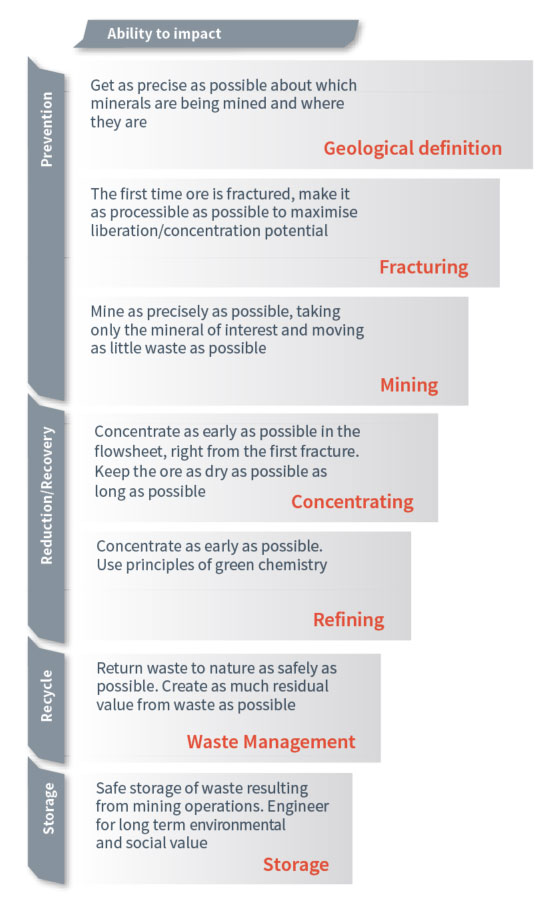
Hierarchy of controls for tailings reduction and elimination
The best approach is to avoid mining tailings altogether. Minimisation of tailings is more effective further upstream in the mining process, through improved geological definition, fracturing and mining technologies.
The second-best approach is to reduce tailings in the concentrating and refining stage of processing. Finally, once tailings are produced, the industry’s only option is to improve waste management practice and ensure safe storage.
Loading component...
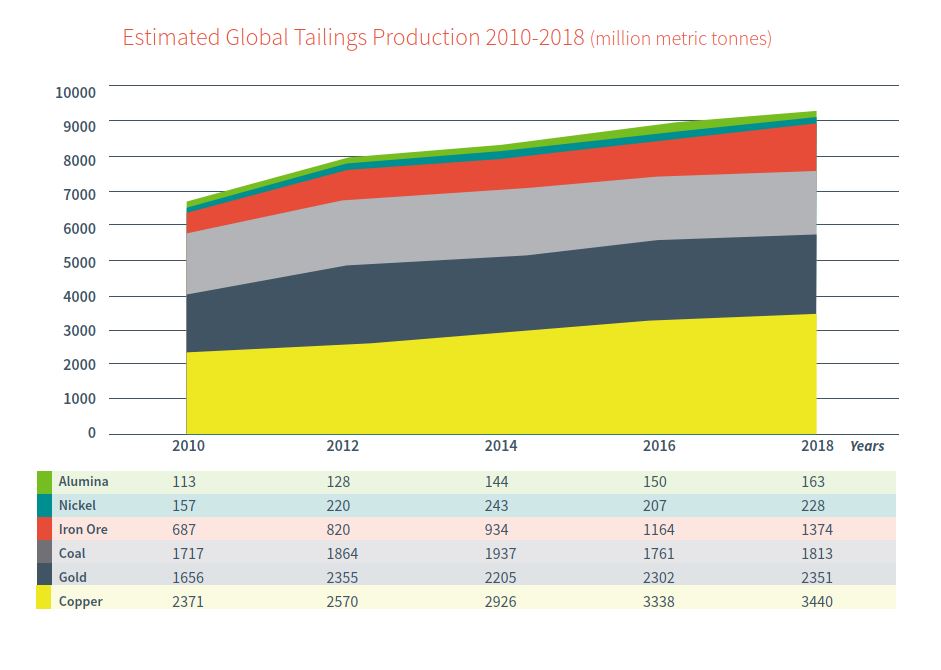
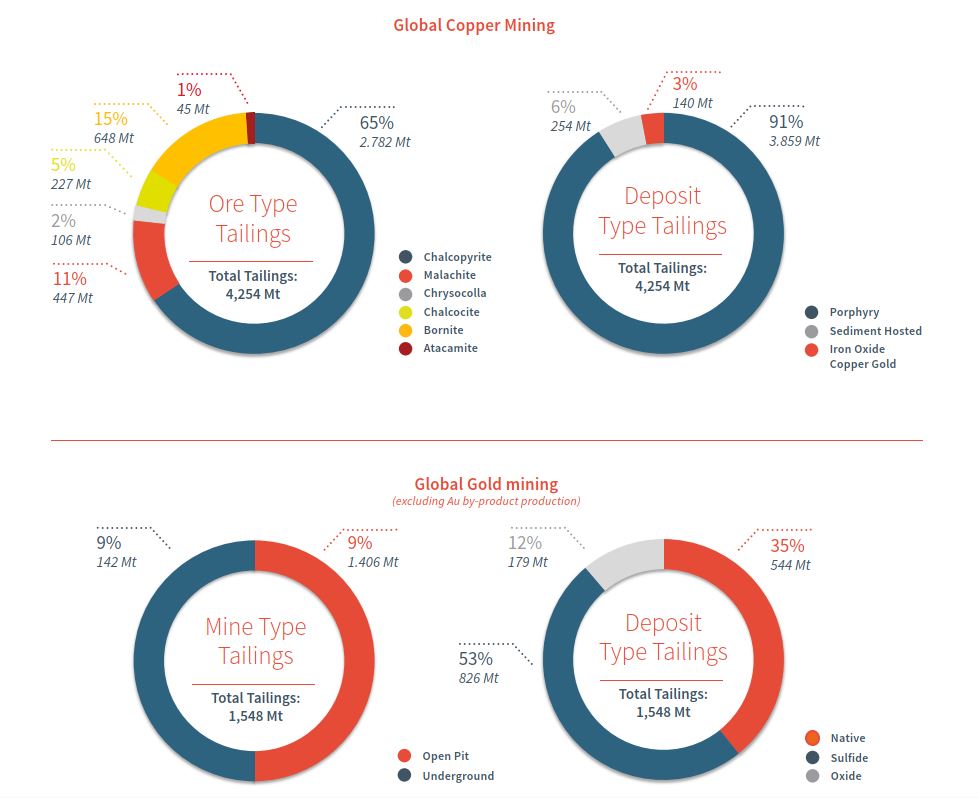
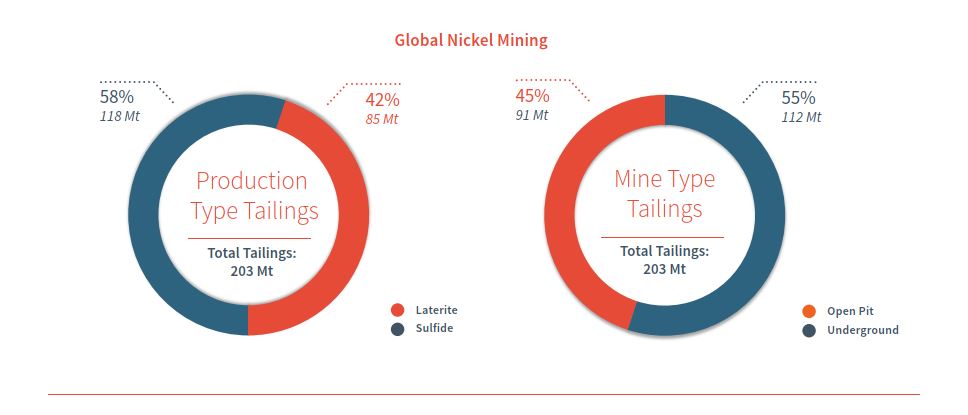
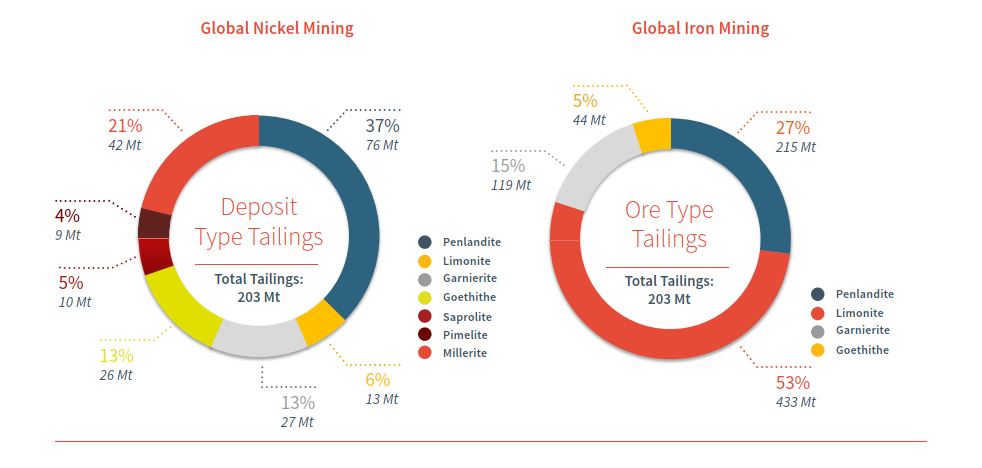
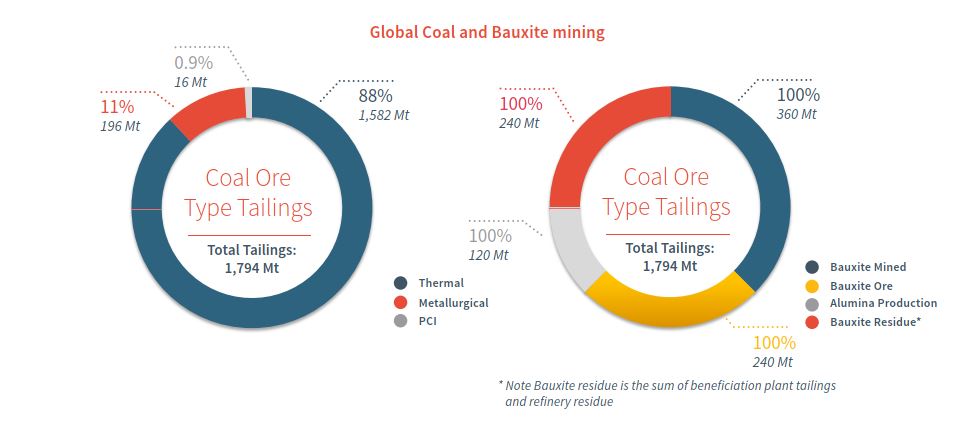
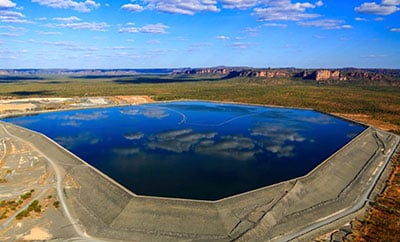 As mining increases in response to the demand for metals critical to the clean energy transition, so too will the production of mine tailings – the waste left after extracting minerals from ore, which includes crushed rock and fine particles in water. To ensure a clean transition to renewable energy, Hatch conducted an in-depth analysis to identify the solutions to reduce these tailings.