Rail & transit
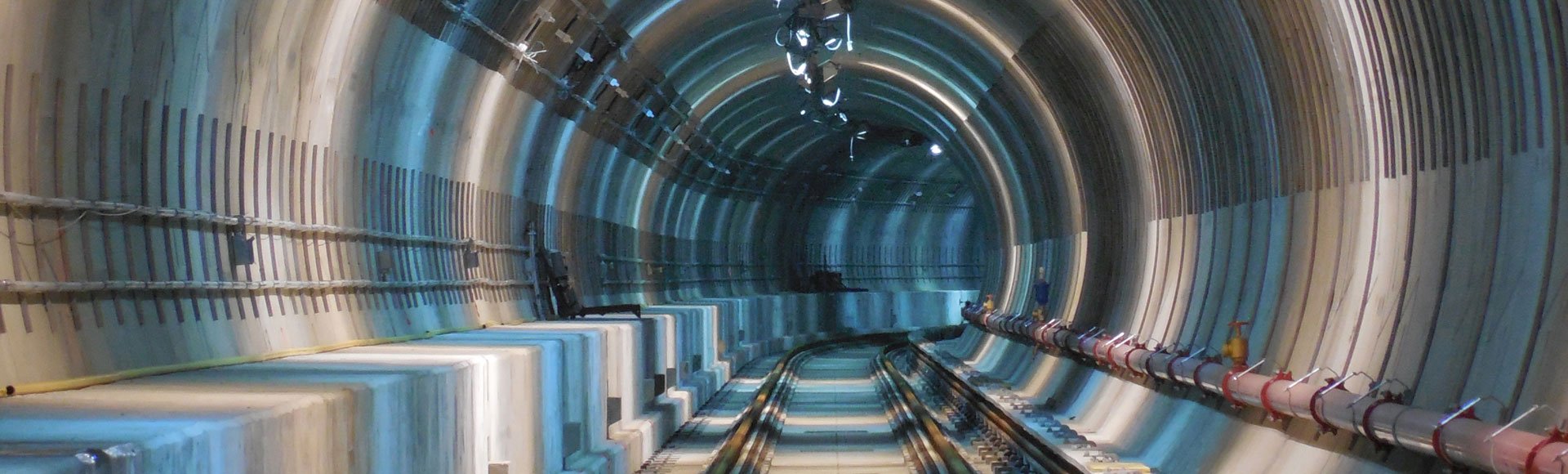
In urban centers and airports, the underground builds of transit systems must be planned to minimize surface disruption throughout the construction process. We provide the geotechnical, structural, and tunneling skills you need, and complement them with track design, signaling, communications, traction power, ventilation and emergency egress, rail activation, and systems commissioning.
Roadway tunnels
As highway infrastructure expands around the world, the need for large-diameter and large-bore tunnels grows. With our comprehensive civil, structural, and transportation engineering expertise, we bring critical knowledge and experience to the early stages of these visible, long-term projects. Whether it's a highway realignment through a rural canyon, a river crossing, or a route beneath a congested urban center, we have the experience and construction technologies to help.
Pedestrian tunnels
Underground occupied spaces require a truly integrated, multidisciplinary approach to provide a safe, accessible, and pleasant user experience. Our tunneling strengths are complemented by our in-house capabilities in the architectural, mechanical, electrical, and fire-life safety disciplines, allowing us to provide a fully-integrated service.
Water tunnels
Globally, water supply and distribution systems must remain operational for extended periods of time. Yet they need constant repair, upgrading, and expansion. We're experienced in the replacement of water conveyance systems, from small-diameter pipelines using horizontal direction drilling, to some of the largest and longest machine-bored tunnels.
Wastewater tunnels
Combined and sanitary sewage overflows need complex and often costly system improvements. Hard surfaces like city streets reduce the ground’s ability to absorb rainfall, so stormwater runoff becomes an increasing problem. We provide the right blend of tunnel, shaft, and hydraulic-system-design expertise to find solutions to the most complex wastewater and stormwater conveyance and storage needs.
Trenchless technologies
This family of techniques for smaller-diameter, underground-infrastructure implementation allows renovation, replacement, and new construction with minimal excavation from the ground surface. The advantages are tremendous for constructing and rehabilitating water, wastewater, energy, communications, and industrial infrastructure while minimizing public inconvenience and traffic disruption.