Design considerations for islanded hybrid power systems
As energy systems face increasing pressure from fuel price volatility, decarbonization targets, and the need for operational resilience, islanded and hybrid power systems are becoming a strategic necessity, and not only for remote sites, but for grid-connected facilities seeking greater energy security.
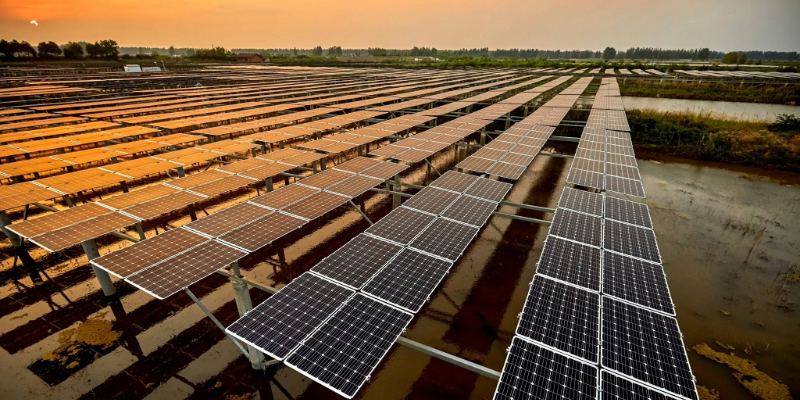
Traditionally, many remote communities, mining operations, and metallurgical processing facilities have relied on on-site power generation by thermal power plants using diesel, coal, heavy fuel oil, or other fossil fuels. While reliable, these systems are often exposed to fuel supply risks, high operating costs, and increasing environmental and regulatory pressure.
In recent years, there has been growing interest in integrating renewable power (wind and solar, specifically) and energy storage with thermal power plants to form hybrid power systems.
As organizations accelerate their transition toward cleaner, more resilient energy systems, early-stage technical decisions matter. Engaging in detailed system studies, control architecture definition, and protection strategy development at the outset can significantly reduce project risk and improve long-term performance.
These systems reduce reliance on fossil fuels, lower operating costs, and significantly decrease CO₂ emissions and associated environmental impacts. At the same time, grid-connected sites are increasingly adding on-site renewable energy and energy storage resources operating as microgrids, enabling continuity of supply in islanded mode during grid outages. This capability is becoming critical for industrial users where power interruptions can have significant safety, operational, and financial consequences.
Design considerations for islanded hybrid power systems include:
Impact of renewable power variability: On-site renewable power generation for hybrid systems often involves wind farms or Solar PV plants that are usually much smaller in scale than their grid scale counterparts. The variability in the output power of a single wind turbine, or a small cluster of them, is significantly greater than that of a wind farm with turbines spread over a wide geographic area. Geographic diversity smooths wind speed variations and, in turn, overall power output [1].
Similarly, the variation of photovoltaic (PV) solar power due to cloud cover is more pronounced for smaller PV plants when the overall panel area is limited [2].
The challenges of integrating variable renewable power into small, islanded grids powered by generator sets are well known [3]. Figure 1 illustrates three main issues and highlights why energy storage, specialized energy management, and control systems are needed to increase renewable penetration to maintain system stability.
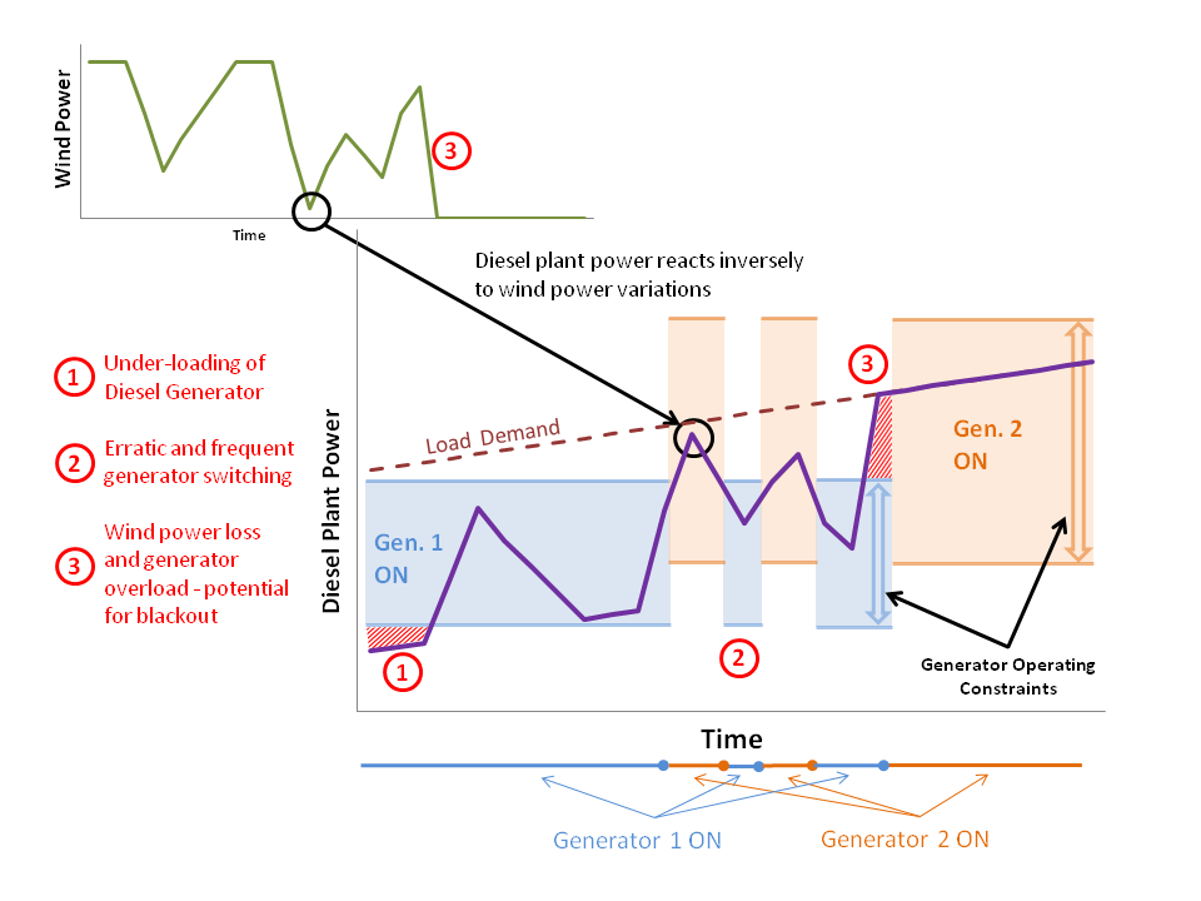
Figure 1 Challenges of integrating renewables into islanded hybrid power
System studies considerations: In small, islanded power systems, dynamic modeling and system studies are far more dependent on the accuracy of individual device models than in large, interconnected grids. With fewer power generation units in operation, each individual unit response becomes increasingly more impactful to the overall simulation results. Large-signal behavior becomes more critical to understand as changes in the load, frequency, voltage, etc. are far more pronounced in such hybrid systems.
A key challenge is the inconsistent level of model detail provided by equipment suppliers. While some models provide a very detailed parameter set and control algorithms replicating real equipment, others stay at a much higher level. This issue limits the reliability of the overall model and can confound simulation results.
As a result, dynamic simulations are most predictive when detailed equipment models are available and calibrated using high-speed site data or validated through factory or site integration testing.
Control system requirements: Stable operation of islanded hybrid power systems requires sophisticated energy management and control strategies. Microgrid control systems, such as our HµGrid microgrid controller (Figure 2), are designed to coordinate multiple generation sources and storage systems under a wide range of operating conditions.
Key objectives of an islanded hybrid power control system include:
- Maximize renewable energy production
- Keep thermal power plant within their megawatt and MVAr operating limits
- Use energy storage systems to stabilize the grid against wind and solar power fluctuations
- Control Volt/VAR at various points on the power system
- Allow priority selection between various energy resources
- Retain the existing thermal power plant dispatch logic and operator interface as much as possible
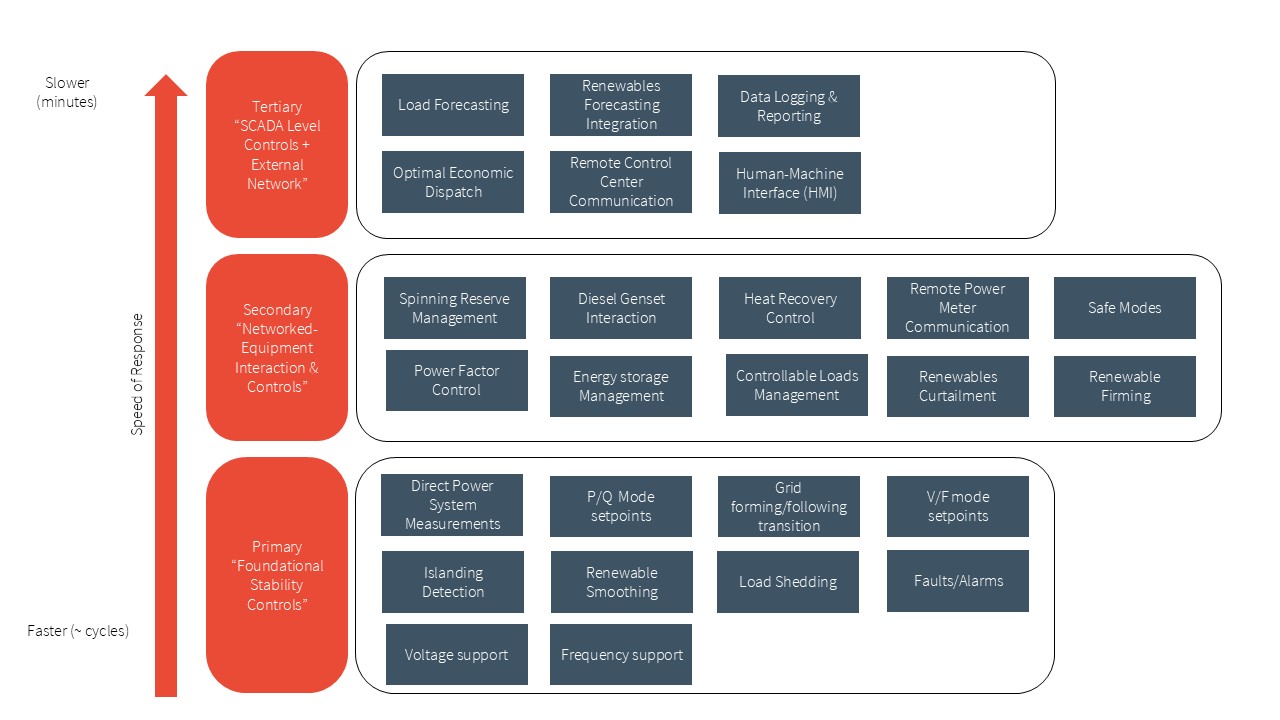
Figure 2 HµGrid, the Hatch microgrid controller for hybrid islanded power system control
Protection complexities: Hybrid power projects involve integration of inverter-based resources (IBR) like wind turbine generators, Solar PV, and battery energy storage systems, which all have limited fault level capacity (often less than 1.25 of their rated capacity).
When utilizing IBRs in an islanded power system with fewer generators online, the fault level is significantly reduced. This has a major impact on protection schemes that rely on a clear distinction between normal and fault currents.
Protection system modifications should include:
- Assessment and modification of overcurrent protection (fuses and protection relays)
- Underfrequency load shedding system updates
- Coordinate settings for frequency and voltage ride-through of various resources to maximize continuity of power supply
Islanded and hybrid power systems are no longer niche solutions. They are increasingly becoming a strategic asset for industrial facilities and communities seeking greater resilience, reduced emissions, and protection from fuel price volatility and grid disruptions.
Designing these systems requires careful consideration of dynamic performance, control strategies, protection schemes, and load characteristics, particularly as renewable penetration increases. Issues associated with system studies, energy management, reduced fault levels, and inverter-based resources are equally critical for grid-connected microgrids that must operate reliably in islanded mode.
As organizations accelerate their transition toward cleaner, more resilient energy systems, early-stage technical decisions matter. Engaging in detailed system studies, control architecture definition, and protection strategy development at the outset can significantly reduce project risk and improve long-term performance.
For asset owners and operators considering high‑penetration hybrid or microgrid solutions, a structured, engineering-led approach is essential to unlocking the full benefits of islanded operation. We can help.
Our distribution and smart grid offerings are delivered through focused specialist teams that have specific expertise and the experience required to deliver each right-sized solution. Discover more here: Distribution & smart grid.
References
[1] Cooper, G., Sedighy, M.: Hybrid Power Generation for Remote Communities and Industrial Facilities, Power Engineer Journal, Institution of Diesel and Gas Turbine Engineers, Sep. 2016.
[2] Mitchell, M., Campbell, M., Klement, K., et al.: Power Variability Analysis of Megawatt-Scale Solar Photovoltaic Installations, IEEE Electric Power and Energy Conference (EPEC), Ottawa, ON, Canada, 2016.
[3] Raoofat, M., Seguin, N., Sedighy, M., et al.: Lithium-Ion Battery Technology Application for Renewable Power Integration at Off-Grid Mine, Proc. 59th Conference of Metallurgists, Toronto, Canada, 2020.
About the author

Mohammad Sedighy
Practice Area Lead, Electrical, Technologies
Mohammad, PhD, P.Eng. provides technical direction in electrical power and advanced control technologies that address the needs of Hatch clients in the mining, energy, and infrastructure sectors. He has led the development and implementation of several innovative technology solutions, including the world’s first three-electrode furnace power demand stabilization system and HµGrid, the Hatch microgrid controller.