Dual-use infrastructure: the fastest way to enhance Arctic defence
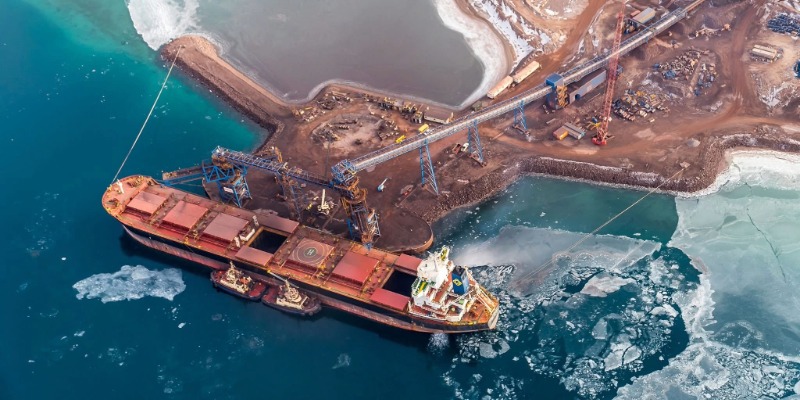
I have been fortunate to work on mining and infrastructure-related projects in Canada’s North, and the experience has shaped my thinking in ways I never expected. The Arctic has a unique way of teaching you lessons and requires a very different mindset and approach to project delivery. It rewards humility and preparation and punishes overconfidence and complacency.
Projects unfold at a pace set by the land, the weather, and the people who know them best. There are no shortcuts. The construction seasons are short, logistics windows open and close quickly, and the margin for error is narrow. When complexity is not an option, you learn to value what is practical, what is durable, and what can be maintained long after the project team has headed south.
In time, working on ports, roads, airfields and railway projects in temperatures well below –35°C clarified something that became increasingly difficult to overlook: in the North, infrastructure defines the limits of what anyone can do, including the Armed Forces. It is this overlap that brought the defence dimension into clearer view for me. The ability to move people, equipment, and supplies in such conditions is not simply helpful; it is the essential groundwork for any credible defence effort in the region.
Dual-use infrastructure: A pragmatic solution
Dual-use infrastructure is often talked about in broad terms, but in the North, it tends to come down to something quite practical: making better use of assets that already exist. Ports, airfields, roads, and power systems that serve industry and communities can, with targeted improvements, also support defence activity. That approach massively reduces both the long timelines and the major costs associated with building entirely new facilities. The Canadian Armed Forces need access to infrastructure that can be made mission-ready quickly. Across the Arctic, there are several sites where that is immediately possible.
Prime Minister Mark Carney underscored the importance of a strong defence posture in the North during his address at the World Economic Forum in Davos. He emphasized that maintaining “boots on the ground, boots on the ice” is essential to safeguarding Canada’s Arctic sovereignty. Speaking in the context of growing geopolitical pressures, Carney called for focused engagement to ensure both security and prosperity in the Arctic, making clear that a sustained defence presence in the region is not optional.
The Government of Canada can rapidly expand our northern sovereignty defence capabilities by enabling the sharing of existing industrial and community infrastructure with the military. From my experience, “dual-use” infrastructure is an incredible opportunity that represents a unique design and delivery challenge with real implications for communities and for Canada’s ability to operate effectively in the North.
In the Arctic, severe environmental conditions shorten construction seasons, limit transportation options and hinder productivity. You plan around narrow windows, like the short summer shipping season to deliver materials and equipment by sealift, or elsewhere the winter ice roads to deliver thousands of truckloads in a matter of mere weeks, all while dealing with extreme weather. That’s why retrofitting and expanding existing assets to support both civilian and defence operations is the fastest, most cost-effective way to achieve additional operational military infrastructure in Canada’s Arctic now. This approach ensures that the infrastructure Northern communities rely on will also support search and rescue, disaster response, and, when required, coordinated defence operations.
Nation building through practical delivery
Stronger sovereignty begins with practical infrastructure delivery and empowering communities who call the North home. These projects will only succeed through deep collaboration and trusted partnership with local Indigenous peoples and communities. This is where experience matters. Building a stronger North requires partners who can translate nation-building goals into practical, resilient infrastructure. Our approach has always been to design with both the community and the mission in mind.
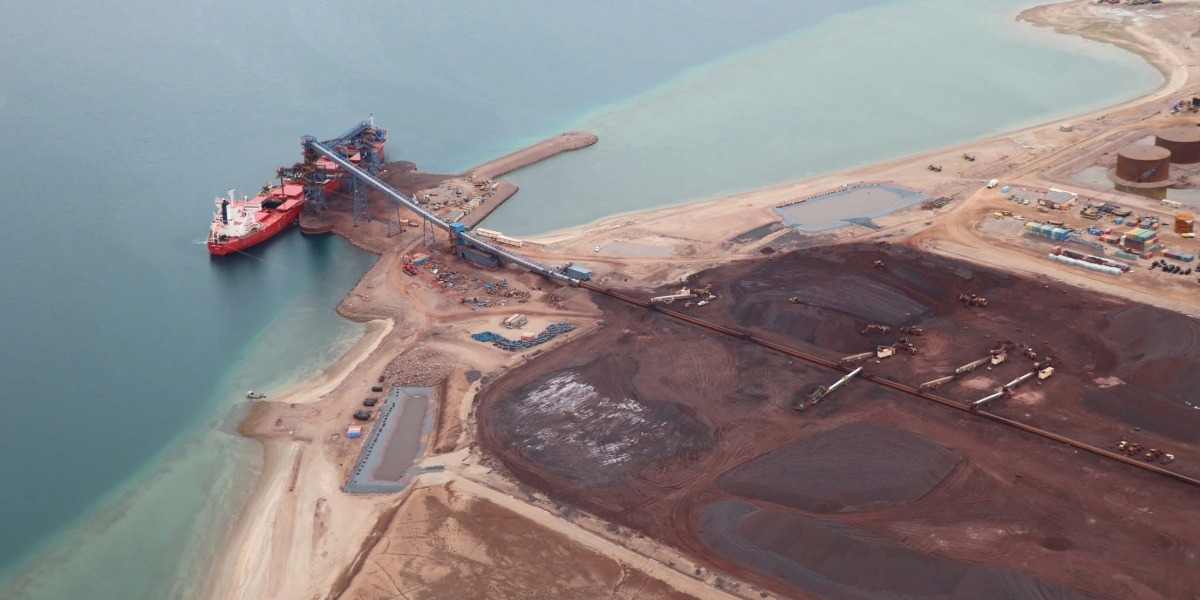
Our team has contributed to most of the complex industrial Arctic infrastructure projects over the last 20 years. Our efforts have included developing assets such as ports, roads, bridges, power generation facilities, maintenance and service buildings, water and sewage treatment plants, airstrips, and rail corridors. And we delivered it all while working in brutally cold conditions and navigating 70-day shipping windows for materials and equipment.
We have also supported the co-development of Indigenous benefit and impact agreements that create meaningful employment opportunities and ensure communities have a strong and respected voice in decisions affecting their land, water, wildlife, and cultural continuity. In northern projects, we work closely with local partners to shape contracting approaches that bring community-based contractors to the table, helping to strengthen entrepreneurship, build capacity, and support long-term job creation. This partnership-driven approach is both the right thing to do and accelerates delivery without compromising quality.
Infrastructure is sovereignty
Over the years, I’ve come to understand the power and significance of our northern infrastructure. Dual-use infrastructure sends a clear message: Canada can protect its interests while supporting its people. Investing in community strengthening infrastructure builds relationships and capacity locally, which reinforces national resilience. And durable infrastructure creates options, which are fundamental to any defence plan. Options are the essence of sovereignty.
Delivering resilient, dual-use infrastructure north of the 60th parallel requires systems that perform reliably under extreme conditions. That means cutting through bureaucratic bottlenecks and adopting permitting and procurement models that favor modular, scalable solutions. Modular systems can be deployed quickly, tested, and expanded as needed, reducing risk while allowing us to tailor designs to Arctic realities.
At Hatch, we’ve built our reputation on delivering essential projects in remote, complex environments. We know how to plan around tight timeframes, how to design for maintainability in extreme climates, and how to integrate civilian and defence requirements into a single, resilient solution. This isn’t new territory for us; it’s the work we’ve been doing for decades.
The path forward is clear: prioritize dual-use projects that deliver tangible community benefits, treat infrastructure as a foundation of sovereignty, and remove the procedural barriers that slow delivery.
If we do that, we will strengthen Canada’s defence posture in the Arctic and we’ll build a stronger, more connected North for generations to come.
About the author
Steven Perry
Global Managing Director, Project Delivery Group, Major Projects
Steven Perry is the Global Managing Director – Project Delivery Group, Major Projects at Hatch, bringing over 30 years of global leadership experience in the delivery of complex capital projects and studies across the mining, metallurgical, and energy sectors. His experience spans some of the world’s most challenging environments, including the successful delivery of major projects in Arctic and other remote regions.