Power shift: Indigenous ownership and the future of clean energy
Remote Indigenous communities across Canada are advancing initiatives that are reshaping the future of energy by moving away from diesel dependence and embracing clean, reliable power. These efforts demonstrate that sustainable development, energy independence, and long-term economic resilience can go hand in hand.
Initiatives like the Wataynikaneyap Power Transmission Project and the Anahim Lake Solar Project, exemplify this transformation and highlight the critical role of engineering partners in enabling success.
Historically reliant on costly, outage-prone diesel systems—over $90 million annually in Ontario alone—these communities faced financial and environmental challenges. Recognizing the need for change, Indigenous leadership groups across Canada are taking proactive steps to secure clean energy solutions that align with their guiding principles, cultural values, environmental stewardship, and long-term community and ownership goals.
Wataynikaneyap Power: A model for Indigenous-led transmission
The Wataynikaneyap Power Transmission Project is the largest Indigenous-led electricity infrastructure initiative in Canadian history. Developed through a partnership of 24 First Nations, the project connects 15 remote communities, ultimately expanding to 17, to Ontario’s provincial power grid. The infrastructure includes 1,800 kilometers of transmission lines and 22 substations, replacing diesel generation with cleaner, more reliable electricity.
This project is an unprecedented example of First Nations building, owning, and managing a major infrastructure project on their Homelands. In 2008, First Nations leadership resolved to pursue energy independence through community-owned infrastructure. Today, the First Nations hold a 51% ownership stake in the transmission system, with a path to full ownership. Their industry partner, Fortis Inc., and other private investors hold the remaining 49%. This model sets a powerful precedent for Indigenous leadership in energy development, ensuring long-term control and economic benefits for the communities involved.
As Owner’s Engineer, Hatch provided comprehensive support throughout the project life cycle. Our team worked closely with Wataynikaneyap Power to develop execution strategies that balanced cost efficiency, safety, and logistical complexity, while maximizing benefits for First Nations communities. This included detailed contracting frameworks, risk management plans, and technical specifications tailored to the unique challenges of building in remote, seasonally accessible regions. Hatch also supported the development of detailed Indigenous Participation requirements and expectations set by the First Nations including following protocols during project construction.
Construction logistics were particularly demanding. More than half of the transmission lines and 16 substations were accessible only during winter months, requiring the construction of winter and ice roads over frozen terrain.
Throughout the project, Hatch upheld the Guiding Principles established by First Nations leadership, ensuring that Indigenous protocols, environmental considerations, and community engagement were integrated into every phase of development. By replacing diesel generation with cleaner electricity, the project is expected to cut more than 6.6 million tonnes of CO₂ emissions over the next 40 years; delivering lasting environmental benefits alongside energy security.
Anahim Lake: Pioneering hybrid renewable energy
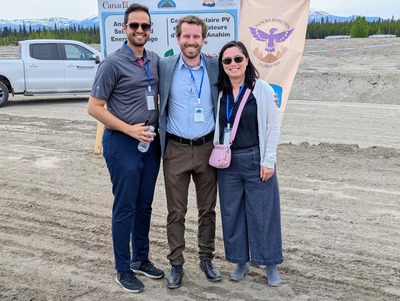
In British Columbia, the Ulkatcho First Nation is leading a parallel effort to reduce its reliance on diesel by developing a hybrid renewable energy system. The community of Anahim Lake, which is currently powered entirely by diesel, identified solar energy as the most viable alternative following technical studies and a detailed business case.
The Anahim Lake Solar Project, fully owned by the Ulkatcho Energy Corporation, is the largest off-grid solar initiative in Canada and the first of its kind in B.C. Supported by a Community Electricity Purchase Agreement with BC Hydro, it will reduce diesel use by 64% and significantly lower carbon emissions.
Hatch served as the engineering consultant for the project, providing solar design and infrastructure planning. The scope includes the development of photovoltaic and high voltage interconnection design, access roads, and security infrastructure. The system integrates solar generation with battery storage and diesel backup, ensuring reliable power delivery through a local microgrid.
This project demonstrates the potential of blended financing and public-private-community partnerships to deliver sustainable energy solutions in remote areas. It also highlights the importance of Indigenous ownership and leadership in shaping Canada’s clean energy future.
Promoting community-driven energy development
Both the Wataynikaneyap and Anahim Lake projects illustrate how engineering excellence, when aligned with community vision and cultural values, can deliver meaningful change.
Indigenous-led energy projects show how community ownership drives economic resilience, energy sovereignty, and environmental stewardship. By leading and owning energy infrastructure, communities control decision making, revenue, and development priorities, ensuring benefits stay local and align with cultural values.
Hatch’s involvement in these projects reflects our commitment to solving complex challenges through collaboration, innovation, and respect for local knowledge and leadership. As Canada advances climate commitments, these projects offer scalable models for inclusive, resilient, and sustainable energy development.
We invite governments, utilities, and investors to join us in advancing Indigenous-led solutions that prioritize community ownership and honor cultural values and environmental responsibility. To learn more about our approach and partnership opportunities, contact us.
Read more about how we supported the Wataynikaneyap Power Transmission Project here.
About the author

Adeel Afzal
Global Lead, Transmission Lines, eGRID
Adeel Afzal, P.Eng., M.Eng., PMP, brings 28 years of global transmission expertise. He has worked on projects up to 500 kV AC and ±600 kV HVDC, including short tap-lines and 1,500 km lines, greenfield and brownfield upgrades, generation and mining connections, regional interconnections, and long-span water crossings. While specializing in overhead transmission, his experience also covers substations (up to 287 kV), submarine cables (345 kV), and underground cables (132 kV).

Jeanie Chin
Senior Engagement Manager, eGRID
Jeanie is a Professional Engineer and Project Management Professional with more than 19 years’ experience in the electric utility industry. She’s a leader in developing and implementing innovative and complex projects. She has successfully managed key projects in microgrids, solar PV, battery energy storage systems, and medium and high voltage sectors. Jeanie is adept at developing strategies and managing with multiple disciplines and stakeholders, including government agencies, major equipment vendors, operating authorities, utilities, and Indigenous communities.